Shikara and Photography in Alappuzha
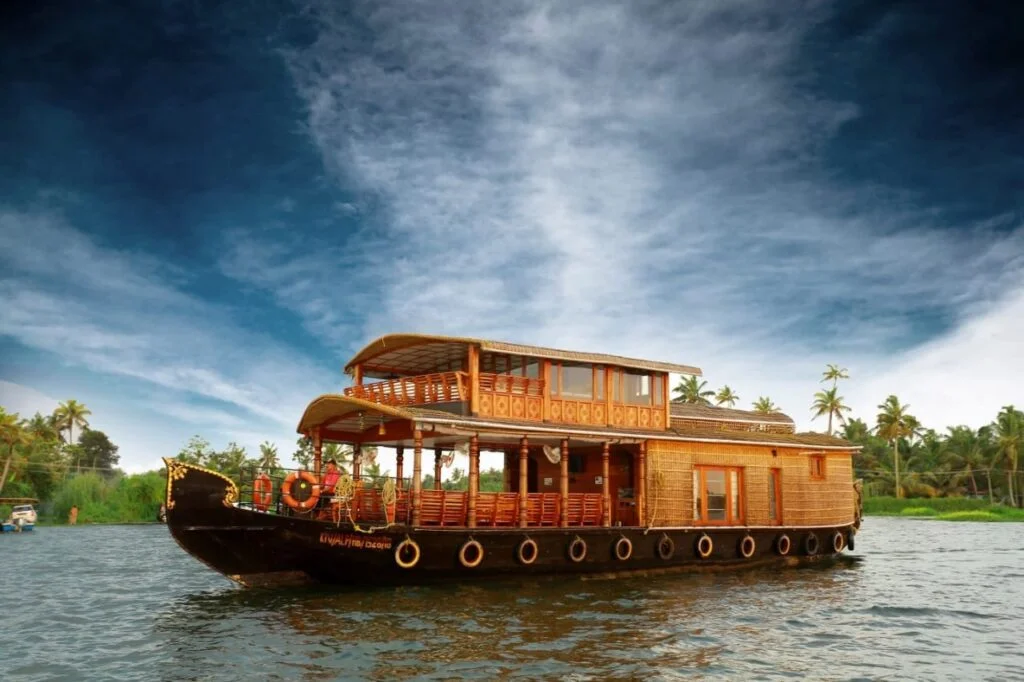
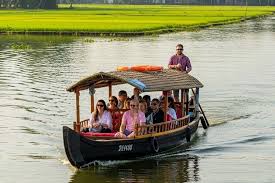
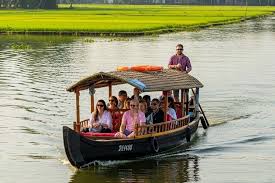
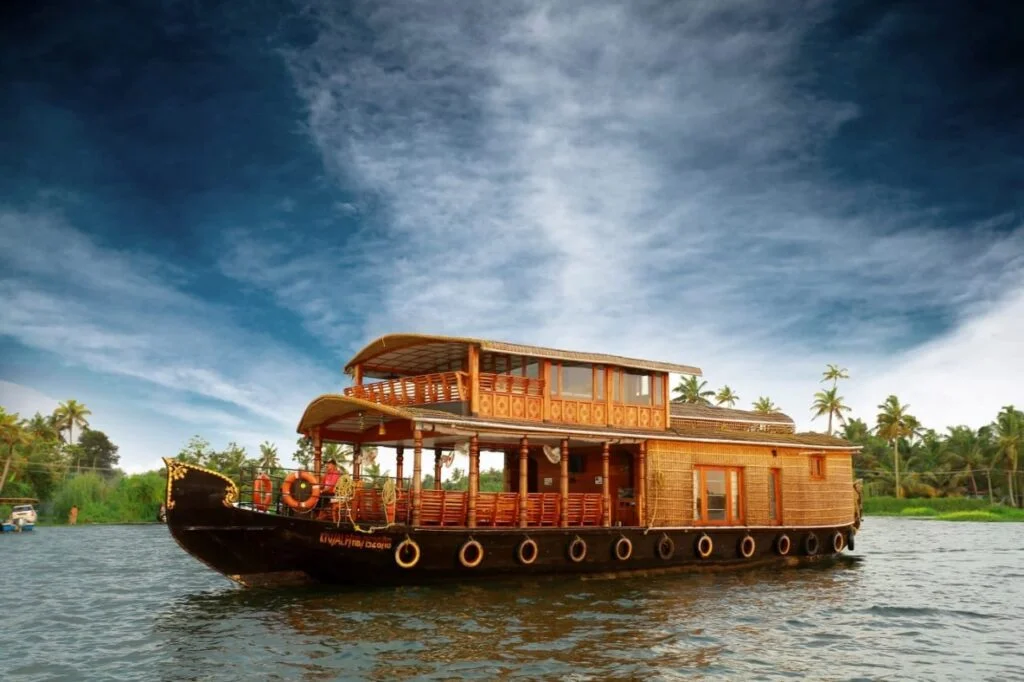
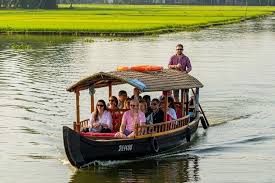
Alappuzha, the Venice of the East, offers one of the most spectacular settings for photography in India. And there's no better way to capture the essence of this magical destination than from a traditional Shikara boat. These elegant, canoe-like boats have become the preferred choice for photographers seeking to document the mesmerizing beauty of Kerala's backwaters. What is a Shikara Boat? The Shikara is a traditional wooden boat native to the backwaters of Kerala, distinct from the larger houseboats (kettuvallams) that dominate the tourist scene. Characterized by their sleek, narrow design and pointed ends, Shikaras were originally used for: - **Transporting goods** between villages - **Fishing** in narrow canals - **Ferrying passengers** across short distances - **Daily commuting** for locals Unlike houseboats, Shikaras are smaller, more maneuverable, and can navigate the narrowest canals where larger boats cannot reach. This makes them perfect for photography, allowing access to hidden corners and intimate views of backwater life. **Shikara vs Houseboat for Photography** | Feature | Shikara | Houseboat | |---------|---------|-----------| | Size | Small (4-8 people) | Large (2-10 people) | | Maneuverability | Excellent | Limited | | Canal Access | Narrow canals | Main waterways only | | Photography | 360° views, close access | Elevated but restricted | | Experience | Intimate, authentic | Luxurious, comfortable | | Price | More affordable | Premium pricing | | Best For | Photography, exploration | Comfort, overnight stays | For photographers, the Shikara offers unmatched flexibility and access that larger vessels simply cannot provide. Why Shikaras are Perfect for Photography **1. Unrestricted Movement** Shikaras can navigate through the narrowest canals, getting you close to: - Traditional village homes - Daily activities of locals - Wildlife in their natural habitat - Ancient temples and churches - Pristine, untouched landscapes **2. Low Profile** Sitting closer to the water level provides: - Better angles for reflection shots - Eye-level wildlife photography - Intimate perspectives of daily life - Stunning water-level compositions **3. 360-Degree Access** The open design of Shikaras allows: - Unobstructed views in all directions - Quick repositioning for the perfect shot - Easy movement for different angles - No window frames or barriers **4. Silent Operation** Traditional pole propulsion means: - No engine noise to disturb wildlife - Authentic, peaceful experience - Better chances for candid shots - Respectful approach to village life
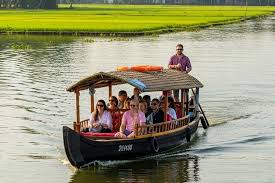
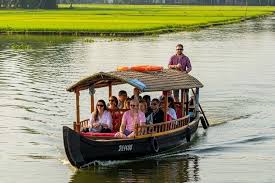
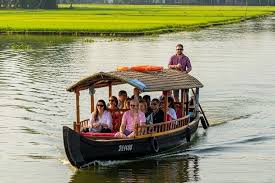
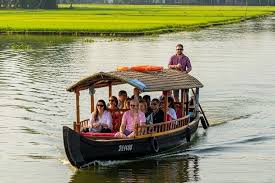
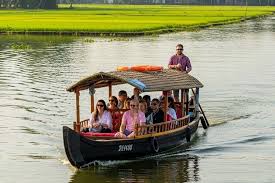
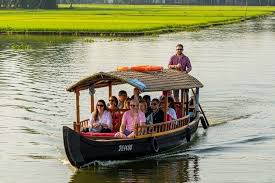
Capture the magic of Alappuzha backwaters from a traditional Shikara boat - a photographer's paradise
Shikara Photography Alappuzha
Best Photography Opportunities from a Shikara The backwaters of Alappuzha present endless photographic possibilities when viewed from a Shikara: **Golden Hour Magic** Early mornings (5:30 AM - 7:30 AM) and late afternoons (5:00 PM - 7:00 PM) offer the most spectacular light: - **Sunrise Photography**: Watch the sun emerge through morning mist over the water - **Reflections**: Perfect mirror images in the calm morning waters - **Golden Light**: Warm, directional light that enhances every scene - **Silhouettes**: Fishermen and boats against the rising or setting sun **Village Life Documentation** The narrow canals reveal authentic Kerala life: - **Morning Rituals**: Women washing clothes, children heading to school - **Traditional Homes**: Kerala architecture with tiled roofs, wooden elements - **Daily Activities**: Toddy tapping, coir making, fishing - **Transportation**: Boats carrying milk, groceries, and newspapers - **Religious Sites**: Ancient temples and churches along the banks **Wildlife Encounters** Keep your camera ready for: - **Birds**: Kingfishers, herons, cormorants, egrets, and migratory species - **Aquatic Life**: Turtles, otters, and various fish - **Butterflies**: Numerous species flitting among flowers - **Domestic Animals**: Buffaloes cooling in the water, ducks swimming **Landscape Photography** Capture the natural beauty: - **Paddy Fields**: Below sea-level farming unique to Kuttanad - **Coconut Palms**: Iconic Kerala scenery lining the canals - **Water Hyacinths**: Floating gardens creating natural patterns - **Sunset Colors**: Dramatic skies reflecting on water - **Monsoon Drama**: Clouds and rain creating moody atmospheres (June-September) **Portrait Opportunities** With permission, photograph: - **Fishermen**: Casting nets, mending equipment - **Farmers**: Working in paddy fields - **Craftspeople**: Coir makers, boat builders - **Children**: Playing by the water, going to school - **Elders**: Sharing stories, traditional occupations **Architecture and Details** Focus on the intricate: - **Traditional Kerala Homes**: Intricate woodwork, courtyard designs - **Temple Architecture**: Ancient structures along the banks - **Bridge Details**: Local bridges connecting villages - **Boat Construction**: Traditional wooden boat building - **Doorways and Windows**: Characteristic Kerala architectural elements Photography Tips for Shikara Rides **Equipment Recommendations** - **Camera**: DSLR or mirrorless with good low-light performance - **Lenses**: - Wide-angle (16-35mm) for landscapes - Standard zoom (24-70mm) for versatility - Telephoto (70-200mm) for wildlife - **Tripod**: Lightweight for stability in the boat - **Filters**: Polarizing filter to reduce water glare - **Protection**: Waterproof bag or cover for your gear - **Extra Batteries**: Long days on the water drain batteries - **Memory Cards**: High-capacity cards for RAW shooting **Camera Settings** - **Aperture**: f/5.6 to f/11 for sharp landscapes - **Shutter Speed**: 1/500s or faster for moving subjects - **ISO**: Keep low (100-400) for best image quality - **White Balance**: Auto or Daylight for natural colors - **Focus**: Use continuous autofocus for moving subjects - **Shooting Mode**: Burst mode for wildlife action **Composition Tips** - **Rule of Thirds**: Place horizon on upper or lower third - **Leading Lines**: Use canal edges to draw eye into frame - **Frames**: Shoot through overhanging branches or bridges - **Reflections**: Look for still water for mirror images - **Foreground Interest**: Include water hyacinths or boat edges - **Symmetry**: Capture the perfect symmetry of reflections **Lighting Considerations** - **Overcast Days**: Soft, even light perfect for portraits - **Backlighting**: Shoot into the sun for silhouettes - **Golden Hour**: Warm, directional light for landscapes - **Blue Hour**: Deep blue skies just after sunset - **Spot Metering**: For challenging lighting conditions.
Best Shikara Photography Routes **Route 1: Alappuzha Town Canals** Duration: 2-3 hours Best for: Urban backwater life, architecture Photo Opportunities: - Historic Alappuzha town views - Traditional boat-building yards - Busy canal traffic - Ancient temples and churches - Market areas from the water **Route 2: Kainakary and Village Canals** Duration: 3-4 hours Best for: Village life, authentic Kerala Photo Opportunities: - Traditional Kerala homes - Toddy tapping demonstrations - School children in uniform - Paddy field views - Village temples and festivals **Route 3: Pathiramanal Island Circuit** Duration: 4-5 hours Best for: Wildlife, nature photography Photo Opportunities: - Pathiramanal Bird Sanctuary - Migratory birds - Natural island landscapes - Sunset over Vembanad Lake - Water birds in flight **Route 4: AC Road Canal to Kuttanad** Duration: 4-6 hours Best for: Agriculture, rural landscapes Photo Opportunities: - Below sea-level paddy farming - Traditional farming methods - Village markets - Coir making - Agricultural landscapes **Route 5: Wide Vembanad Lake Crossing** Duration: 2-3 hours Best for: Open water landscapes, sunsets Photo Opportunities: - Expansive lake views - Large houseboats in distance - Sunset over open water - Cloud formations - Fishing boats at work **Best Times for Photography** **Seasonal Considerations** **Winter (October - February)** - Clear skies, pleasant weather - Best visibility - Peak tourist season - Bird migration season - Morning mist for atmospheric shots **Summer (March - May)** - Intense colors, clear skies - Less crowded - Early morning and late afternoon best - Golden light more pronounced - Heat haze for atmospheric effects **Monsoon (June - September)** - Dramatic cloud formations - Lush greenery - Fewer tourists - Moody, atmospheric shots - Rain photography opportunities - Dramatic skies **Daily Timing** **Early Morning (5:30 AM - 8:00 AM)** - Best for misty, atmospheric shots - Active village life - Soft, diffused light - Less boat traffic - Bird activity **Midday (10:00 AM - 2:00 PM)** - Harsh light, challenging conditions - Good for detail shots - Village siesta time, quieter - Use for indoor photography **Late Afternoon (4:00 PM - 7:00 PM)** - Golden hour magic - Warm, directional light - Sunset opportunities - Return of village activity - Long shadows, depth Booking Your Shikara Photography Tour **Types of Tours Available** 1. **Sunrise Photography Tour** - 5:30 AM start - 3-4 hours - Best for landscape and village life 2. **Sunset Photography Tour** - 4:00 PM start - 3-4 hours - Focus on golden hour and sunset 3. **Full Day Photography Expedition** - 8-10 hours - Multiple locations - Lunch included - Maximum variety 4. **Custom Photography Tour** - Tailored to your interests - Specific locations - Flexible timing - Personal guide **What to Expect** Your Shikara photography tour includes: - Experienced local boatman - Knowledge of best photo spots - Flexibility to stop for shots - Advice on local customs - Safety equipment - Basic refreshments - Multiple route options **Pricing** Shikara tours typically range from: - 2-hour tour: ₹1,500 - ₹2,500 - Half-day (4 hours): ₹2,500 - ₹4,000 - Full-day (8 hours): ₹4,000 - ₹7,000 Prices vary based on season, route, and inclusions. Essential Tips for Shikara Photography **Before You Go** - Check weather forecast - Charge all batteries - Format memory cards - Bring lens cleaning kit - Pack light, breathable clothing - Wear sun protection - Bring insect repellent **During the Ride** - Stay seated for stability - Keep camera ready - Be respectful of locals - Ask before photographing people - Take notes of locations - Shoot in RAW format - Vary your angles and perspectives **After the Shoot** - Back up images immediately - Note locations and subjects - Plan return visits to favorite spots - Share with local communities - Respect privacy when sharing Capture the magic of Alappuzha's backwaters with Alleppey Shikkara. Book your Shikara photography tour today and create images that tell the story of Kerala's enchanting water world!